2479 Oakmont Way, Eugene, OR 97401



Treating Cavities Without Compromising Your Child's Smile
When a cavity forms, prompt treatment helps prevent the decay from spreading further into the tooth and causing pain or infection. Tooth-colored fillings offer an effective way to restore a decayed tooth while blending naturally with the surrounding teeth, so the treatment stays virtually unnoticeable.
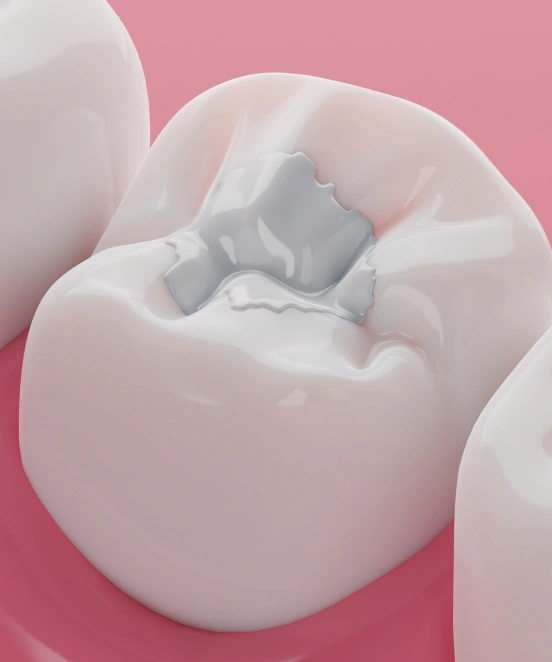
Unlike traditional silver fillings, tooth-colored fillings are made from a composite resin material that can be shaded to closely match your child's natural tooth color. This makes them a popular choice for parents who want effective cavity treatment without a visible metal filling, especially for front teeth or teeth that show when your child smiles or laughs.
At Oakmont Kids, we use tooth-colored fillings to treat cavities gently and efficiently, helping your child get back to eating, smiling, and speaking comfortably as quickly as possible.
Ask About Tooth-Colored Fillings
What Are Tooth-Colored Fillings?
Tooth-colored fillings, also known as composite fillings, are made from a durable resin material that bonds directly to the tooth structure. Once the decayed portion of the tooth is removed, the filling material is applied in layers and shaped to match the natural contour of the tooth before being hardened with a curing light.
Because the material can be custom-matched to your child's tooth shade, tooth-colored fillings blend in far more naturally than the silver amalgam fillings used in the past. Beyond appearance, the bonding process also allows the filling to support the remaining healthy tooth structure, which can help preserve more of the natural tooth compared to older filling materials.
This combination of durability, natural appearance, and strong bonding makes tooth-colored fillings a preferred option for treating cavities in both baby teeth and permanent teeth.
Who Needs a Tooth-Colored Filling?
Tooth-colored fillings are recommended for children who have a cavity that requires treatment beyond preventive care alone. This may include:
- Children with a cavity detected during a routine exam
- Kids with visible decay on a front tooth where appearance is a concern
- Children who previously had SDF treatment on a tooth that requires a more permanent restoration
- Kids with a cavity in a baby tooth that still has significant time before naturally falling out
- Children experiencing sensitivity or mild discomfort in a specific tooth
If a cavity is identified during your child's cleaning and exam, we will discuss whether a tooth-colored filling is the most appropriate next step.
What to Expect During Your Child's Filling Appointment
Placing a tooth-colored filling is a straightforward procedure that most children tolerate comfortably. Most filling appointments are completed in under an hour, and children typically return to normal activities the same day.
01.
Numbing the Area
A local anesthetic is applied to ensure your child feels no pain during the procedure.
02.
Removing Decay
The decayed portion of the tooth is carefully and gently removed.
03.
Cleaning the Tooth
The area is cleaned and prepared to ensure the filling material bonds properly.
04.
Applying the Filling
The tooth-colored composite material is applied in layers and shaped to match the natural tooth.
05.
Curing the Material
A curing light hardens each layer of the filling within seconds.
06.
Final Adjustments
We check your child's bite and polish the filling for a smooth, comfortable finish.
Caring for a Tooth After a Filling
After your child receives a tooth-colored filling, minimal aftercare is needed. Some children may experience mild sensitivity to hot or cold temperatures for a day or two, which typically resolves on its own without any additional treatment. It is normal for the area around the filling to feel slightly different to your child at first, though this sensation usually fades quickly.
We recommend continuing your child's regular brushing and flossing routine, avoiding overly hard or sticky foods on the treated tooth for the first day if numbness is still present, and monitoring for any unusual pain or discomfort that lasts beyond a few days.
Bringing your child back for their regularly scheduled cleanings and exams also allows us to monitor the filling over time, ensuring it remains intact and continues to function properly as your child grows.
Why Choosing the Right Filling Material Matters for Kids
Children's teeth undergo constant chewing, grinding, and daily wear, which makes the durability and comfort of a filling material especially important. Tooth-colored fillings are designed to withstand the pressures of biting and chewing while remaining gentle on surrounding tooth structure, an important factor for growing children whose teeth continue to develop and shift over time.
Additionally, because composite fillings bond directly to the tooth rather than simply sitting inside a cavity, less of the natural tooth structure often needs to be removed during the procedure compared to older filling methods. This can be particularly beneficial for baby teeth, helping preserve as much of the original tooth as possible until it is naturally ready to fall out.
Choosing a filling material that balances strength, appearance, and gentle treatment helps support both the function and confidence of your child's smile.
Treat Your Child's Cavity Comfortably and Discreetly
Tooth-colored fillings offer an effective, natural-looking solution for treating cavities in kids. Schedule an appointment with Oakmont Kids to get your child's smile back on track.
Request an Appointment