2479 Oakmont Way, Eugene, OR 97401



Swollen Gums or Bumps in Children: Is It an Infection?
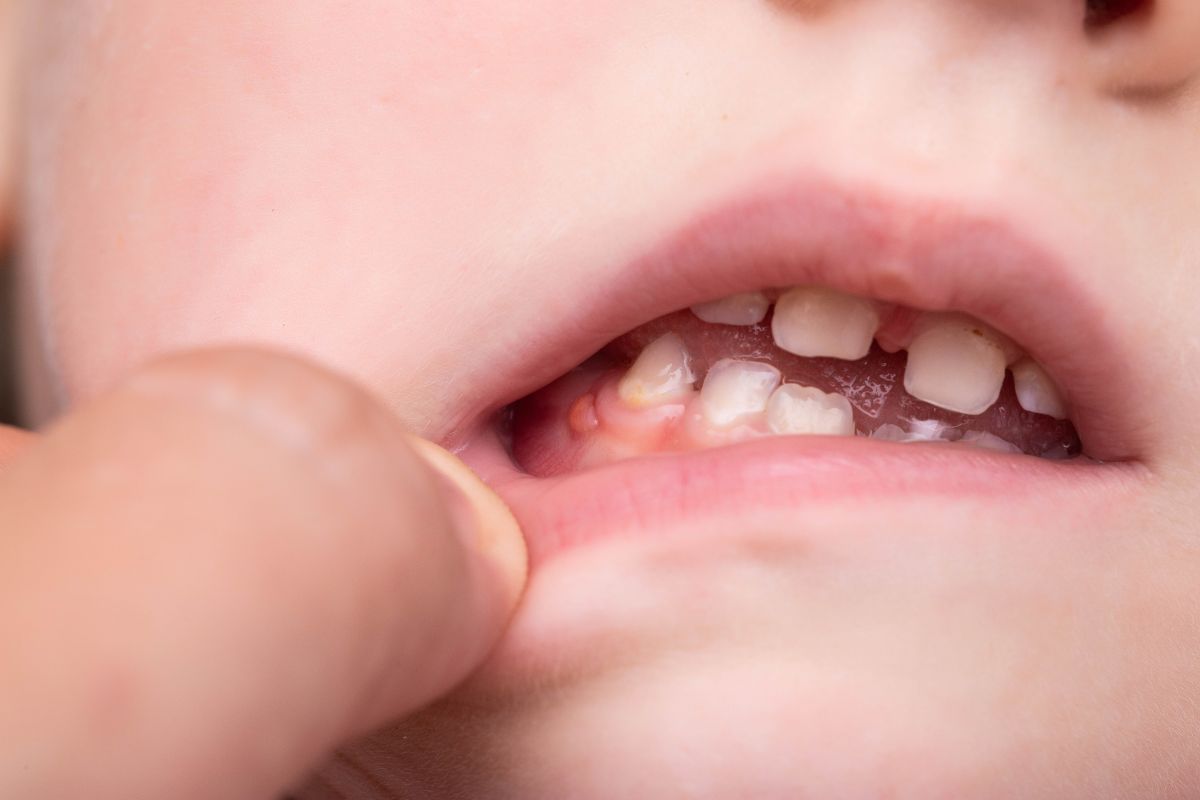
As a parent, noticing anything out of the ordinary in your child’s mouth can instantly trigger a wave of worry. Whether you are brushing your toddler’s teeth before bed or your school-aged child complains of a sore spot while eating their afternoon snack, finding swollen gums or a mysterious little bump can be alarming.
Is it just a harmless scrape from a crunchy pretzel? Is a new tooth finally making its way through? Or could it be a sign of a deeper dental infection?
At Oakmont Kids, we talk to families every day who share these exact concerns. Understanding what is happening inside your child’s mouth is the first step toward easing your worries and protecting their growing smile. Let’s dive into what causes swollen gums or bumps in children, how to tell if it is an infection, and when it is time to call a professional.
Common Causes of Bumps and Swollen Gums in Kids
Children’s mouths go through an incredible amount of change. From infancy through adolescence, oral tissues react quickly to growth, bacteria, and minor injuries. Not every bump is an emergency, but recognizing the common culprits helps put things into perspective.
1. Eruption Bumps (Teething and Permanent Teeth)
One of the most frequent causes of harmless bumps in children is tooth eruption.
- For babies and toddlers: When primary (baby) teeth are pushing through, fluid-filled sacs called eruption cysts can sometimes form right on top of the incoming tooth. They usually look like tiny, bluish-clear bumps and typically resolve on their own once the tooth breaks through the surface.
- For older children (ages 6 to 12): As permanent teeth prepare to replace baby teeth, the gums can swell or develop small, firm bumps right along the dental ridge.
2. Canker Sores (Aphthous Ulcers)
Does the bump have a white or yellowish center surrounded by a red, inflamed halo? If so, your child likely has a canker sore. These minor oral ulcers are non-contagious and can be triggered by stress, minor cheek biting, or eating acidic foods like citrus fruits. While they can be quite painful, they are generally harmless and heal within 1–2 weeks.
3. Traumatic Fibromas or Irritation Bumps
Kids are active, and bumps and tumbles happen. If your child accidentally bit their inner cheek or gum, or if a sharp edge of a broken tooth or rough food irritated the tissue, a smooth, pinkish bump called a fibroma can form as the tissue heals.
When Is a Gum Bump Actually an Infection?
While the causes listed above are common and usually benign, a gum bump can sometimes signal a localized infection that requires prompt medical attention. As a parent, how can you tell the difference?
The Dental Abscess (A “Gum Boil”)
If you notice a small, pimple-like bump directly on the gum tissue, often referred to by dental professionals as a fistula or “gum boil”—it is usually a sign of an underlying tooth infection.
How does this happen? If a cavity is left untreated, decay can tunnel deep into the center of the tooth (the pulp), reaching the nerves and blood vessels. When bacteria invade this space, they multiply and cause an infection at the tip of the tooth root. To relieve the pressure, the body creates a channel through the jawbone, resulting in that little pimple on the gum. Pus may occasionally drain from it, which can cause a temporary bad taste in your mouth.
Red Flags to Watch For
An untreated dental infection in children should never be ignored. Call a pediatric dentist right away if you notice any of the following symptoms accompanying a swollen gum or bump:
- Severe or throbbing toothache that keeps your child awake at night.
- Facial swelling, particularly if it spreads to the cheek, under the eye, or down the neck.
- Fever or general lethargy.
- A foul taste or odor in the mouth that won’t go away.
- Sensitivity to hot and cold foods and drinks, or pain when biting down.
The Importance of Early Pediatric Dental Care
Many parents wonder if minor issues on baby teeth really matter since “they’re just going to fall out anyway.” The truth is, primary teeth play a vital role in your child’s overall health and development. They help children chew nutritious foods properly, aid in clear speech development, and act as natural space-holders for permanent adult teeth.
When an infection develops in a baby tooth, it can potentially damage the developing permanent tooth waiting underneath the gum line. This is why maintaining routine dental care habits at home and scheduling professional checkups every six months is so crucial.
Preventive care allows a trained pediatric dentist to catch small cavities before they turn into painful abscesses. Regular cleanings, fluoride treatments, and dental sealants give your child the best defense against tooth decay and gum inflammation.
What to Do at Home While You Wait
If you spot a swollen gum or bump on your child, here are a few safe, temporary comfort measures you can take at home while waiting for professional advice:
- Encourage gentle warm saltwater rinses: If your child is old enough to swish and spit without swallowing, have them rinse with warm salt water to help soothe inflamed tissue.
- Maintain gentle oral hygiene: Continue brushing and flossing around the area, but be extra gentle so you don’t aggravate raw tissue.
- Offer soft, cool foods: Yogurt, applesauce, smoothies, and lukewarm soups can keep your child nourished without irritating a sore spot.
- Avoid harsh home remedies: Never squeeze, pop, or lance a gum bump yourself, and avoid placing aspirin directly onto the gum, as it can burn the delicate tissue.
Give Your Child the Gift of a Healthy Smile
Navigating your child’s dental health can feel overwhelming, but you don’t have to figure it all out alone. If you notice a persistent bump, unusual swelling, or if it is simply time for your child’s routine checkup, we are here to help.
At Oakmont Kids, our team specializes in providing gentle, kid-friendly pediatric dentistry designed to keep your little ones smiling and comfortable. We pride ourselves on creating a warm, welcoming environment where kids actually look forward to going to the dentist.
Don’t wait until a small issue becomes a painful problem. Visit our dental office to experience compassionate, specialized care tailored specifically for children. Book an appointment with us today, and let us help your child maintain a bright, healthy, and infection-free smile for years to come!
Frequently Asked Questions
1. Can a gum bump go away on its own?
Some harmless bumps, like tiny canker sores or eruption cysts, will disappear independently within a week or two. However, a bump caused by a bacterial infection or a dental abscess will not go away on its own. Even if a pimple-like bump on the gum shrinks temporarily, the underlying source of infection remains and requires professional treatment.
2. Will my child need a root canal for a gum abscess on a baby tooth?
Not necessarily! Treatment depends entirely on the severity of the infection and how close the baby tooth is to falling out naturally. Sometimes, a simple baby tooth filling or a gentle pediatric procedure (such as a pulpotomy) can save the tooth. In other cases, if the tooth is too heavily damaged, a gentle extraction may be recommended to protect the surrounding permanent teeth.
3. How often should my child see a pediatric dentist?
The American Academy of Pediatrics and pediatric dental guidelines recommend that a child see a dentist by their first birthday or within six months after their first tooth erupts. Following that, regular checkups should take place every six months to monitor growth and prevent issues like decay and gum disease.
Related Articles


Unable to locate Global Block : 5776:full