2479 Oakmont Way, Eugene, OR 97401



Thumb-Sucking and Pacifiers: When Do Oral Habits Start Affecting Teeth?
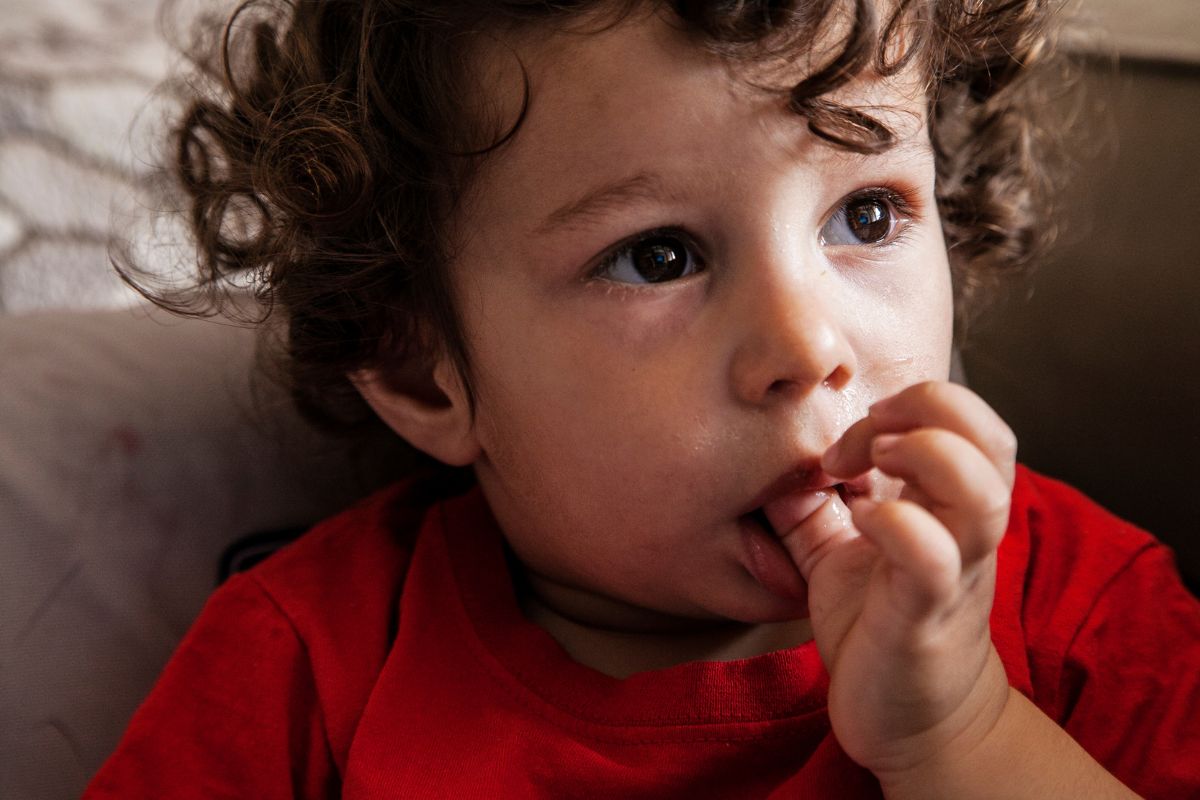
Thumb-sucking and pacifier use are completely natural, self-soothing behaviors for infants and toddlers. In the early months of life, rooting and sucking reflexes help babies feel secure, relaxed, and safe as they explore the world around them. However, as your child grows into a curious toddler, you might start to wonder: When does a harmless comfort habit start to impact their developing smile?
At Oakmont Kids Pediatric Dentistry, we hear this question from parents every day. Balancing your child’s emotional comfort with their long-term oral health can feel like a tightrope walk. The good news is that most children naturally outgrow these habits before any lasting damage occurs. Knowing when and how to intervene makes all the difference.
Why Do Children Suck Their Thumbs and Use Pacifiers?
Sucking is one of an infant’s earliest natural reflexes. Long before birth, babies often suck their thumbs in the womb. After birth, sucking provides more than just nutrition—it serves as a primary source of comfort and self-regulation.
- Emotional Security: Sucking helps infants soothe themselves when they are tired, scared, bored, or adjusting to new environments.
- Sleep Aid: Many toddlers rely on a pacifier or thumb to drift off to sleep or settle back down after waking up in the middle of the night.
- Sensory Exploration: Young children use their mouths to learn about textures, shapes, and their environment.
Because these habits serve an important developmental purpose, pediatric dentists generally do not recommend aggressive intervention during infancy. The focus in the early stages is simply maintaining healthy habits and watching for physical changes in the mouth.
When Does Oral Health Become a Concern?
The critical timeline for oral habits revolves around the arrival of permanent teeth, which typically begin emerging around age 5 or 6. However, the duration, frequency, and intensity of the sucking habit play a massive role in whether changes occur sooner.
The Magic Age: Age 2 to 4
Most children naturally stop thumb-sucking or using a pacifier between the ages of 2 and 4. During this age window, any minor changes to the shape of the mouth or baby tooth alignment are often self-correcting once the habit stops.
If the habit continues beyond age 4, the risk of structural changes to the jaw, palate, and tooth position increases significantly.
Aggressive vs. Passive Sucking
Not all sucking habits affect teeth equally. The physical impact depends largely on how your child sucks their thumb or pacifier:
- Passive Rest: If your child simply rests a thumb or pacifier loosely in their mouth, it exerts minimal force on the teeth and bone.
- Vigorous Sucking: If your child actively and forcefully sucks, pulling on the cheeks and pressing against the upper arch, this exerts continuous physical pressure that can alter bone growth even before baby teeth fall out.
How Prolonged Sucking Affects Teeth and Jaw Alignment
When a thumb or pacifier habit persists past the age of 4, the continuous pressure can cause several noticeable orthodontic and developmental issues:
1. Front Open Bite
An open bite occurs when the upper and lower front teeth slant outward so far that they do not meet when the mouth is fully closed. This leaves a visible gap between the front top and bottom teeth, which can make biting into foods like apples or sandwiches difficult.
2. Overjet (“Buck Teeth”)
Consistent forward pressure pushes the upper front teeth forward away from the lower arch. Beyond cosmetic concerns, protruding upper teeth are significantly more vulnerable to accidental chips or fractures during childhood play.
3. Crossbite and Upper Jaw Narrowing
When a child sucks their thumb or a pacifier, the tongue rests on the floor of the mouth instead of resting against the roof of the mouth (the palate). Meanwhile, the cheek muscles contract inward. Over time, this combination narrows the upper arch, causing the upper teeth to fit inside the lower teeth when biting down—a condition known as a crossbite.
4. Changes in Tongue Function and Speech
Prolonged habits can cause a tongue thrust, where the tongue pushes forward between the teeth during swallowing or speaking. This habit often leads to speech impediments, particularly difficulty pronouncing “s,” “z,” “th,” and “sh” sounds correctly.
Thumb-Sucking vs. Pacifiers: Is One Better?
Parents frequently ask whether a pacifier is better or worse for a child’s mouth than a thumb. While both can cause similar dental issues if continued too long, pacifiers offer a few distinct advantages:
| Feature | Thumb-Sucking | Pacifier Use |
| Control & Weaning | Attached to the child—harder to restrict or remove. | Easy to throw away or limit to naptime/bedtime. |
| Form Factor | Firm, non-yielding bone and tissue. | Soft, orthodontic shapes designed to minimize pressure. |
| Habit Duration | Often lasts longer into school-age years. | Usually easier to eliminate by age 2 or 3. |
While pacifiers are generally easier to modify or eliminate, using them past age 3 carries the same orthodontic risks as prolonged thumb-sucking.
Gentle Strategies to Help Your Child Stop
Stopping a comfort habit requires patience, positivity, and consistency. Punishment, harsh chemicals, or public shaming can create anxiety, which often triggers children to suck their thumbs even more.
1. Focus on Positive Reinforcement
Praise your child and offer small rewards (such as a sticker chart or an extra bedtime story) when they choose not to suck their thumb or use their pacifier. Focus on praising the times they succeed rather than calling out times they slip up.
2. Identify and Address Triggers
Children often revert to sucking habits when tired, stressed, anxious, or bored. When you notice the habit happening, gently offer an alternative comfort item, like a favorite plush toy, or engage their hands in an interactive activity like coloring or modeling clay.
3. Step-by-Step Pacifier Elimination
If you are weaning off a pacifier, try restricting its use in stages:
- Limit pacifiers strictly to the crib or bedtime.
- Introduce the “Pacifier Fairy” to swap old pacifiers for a big-kid toy.
- Trim the pacifier tip (if safe and appropriate), so it loses suction and becomes less satisfying to use.
4. Partner with Your Pediatric Dentist
Sometimes hearing advice from a friendly professional makes all the difference. During a routine pediatric dentistry visit, your dentist can talk directly to your child about their “big kid teeth” in an encouraging, non-scary way.
When to Seek Professional Guidance
You don’t need to wait until permanent teeth appear to talk to a dentist. An early examination allows us to monitor your child’s jaw development and arch shape, offering personalized guidance long before permanent dental issues arise.
If your child is approaching age 3 or 4 and still relies heavily on a thumb or pacifier, book an appointment with our team. We evaluate your child’s bite, check for early signs of narrowing or open bites, and offer supportive, customized recommendations.
Frequently Asked Questions
1. Will baby teeth straightened on their own after stopping?
Yes! If a child stops thumb-sucking or using a pacifier before age 3 or 4, mild changes to baby teeth and the palate usually correct themselves naturally as the jaw grows.
2. What if my child only sucks their thumb at bedtime?
Bedtime-only sucking is much less damaging than constant daytime sucking because the total duration and force are reduced. However, if the habit continues past age 5, even bedtime sucking can affect incoming permanent teeth.
3. Are “orthodontic” pacifiers completely safe?
Orthodontic pacifiers are designed with a flattened nipple to reduce pressure on developing arches. While they are a better option than traditional round pacifiers, prolonged use past age 3 can still lead to alignment issues.
4. How can a pediatric dentist help if my child won’t stop?
A specialized pediatric dentist can provide personalized behavior modification techniques, recommend kid-friendly books or charts, and, if necessary, evaluate whether a custom dental appliance (like a mouth habit appliance) is appropriate for older children.
Protect Your Child’s Growing Smile at Oakmont Kids
Navigating early childhood oral habits doesn’t have to be stressful. Whether your toddler is just starting to sprout teeth or you need advice on weaning off a pacifier, expert care makes all the difference.
At Oakmont Kids Pediatric Dentistry, we specialize in gentle, compassionate care tailored to young patients. Visit our dental office for a routine checkup, or call today to schedule your child’s visit. Let’s work together to keep your child’s smile healthy, bright, and aligned for years to come!
Related Articles
Unable to locate Global Block : 5776:full