2479 Oakmont Way, Eugene, OR 97401



Do Baby Teeth Really Need Fillings? Why Cavities in Primary Teeth Matter
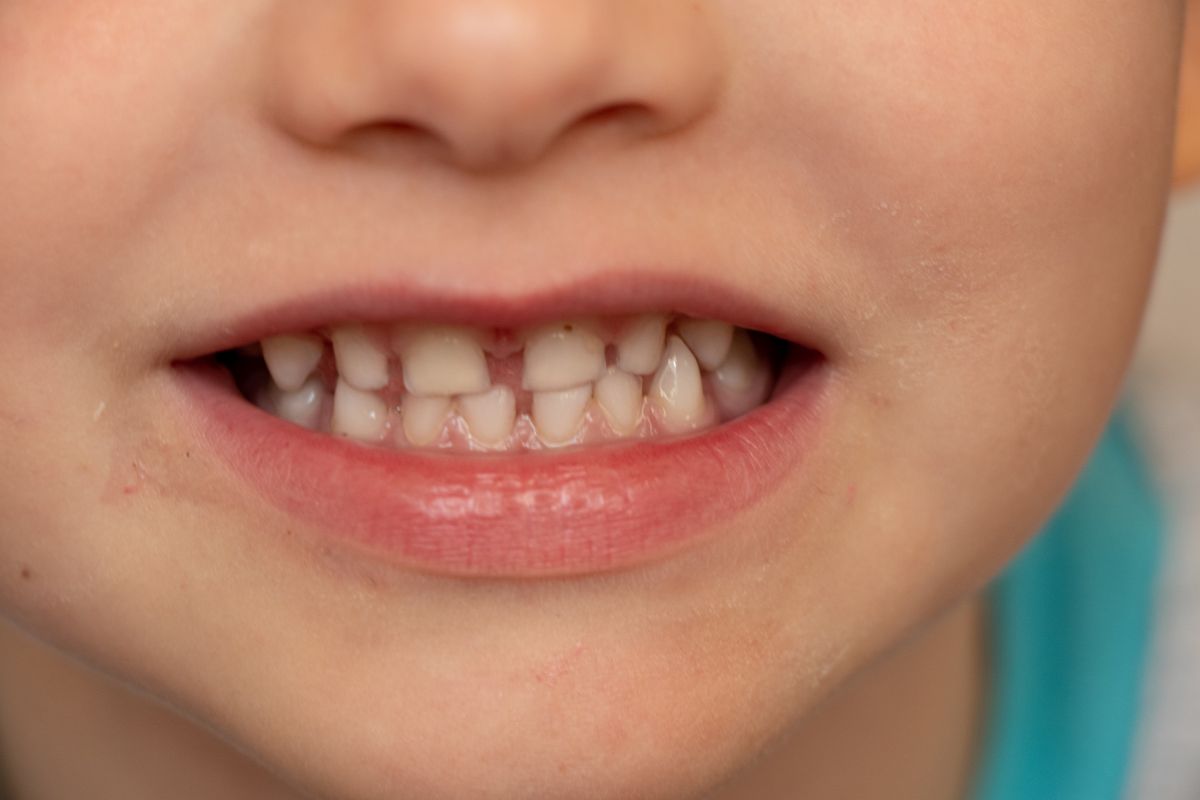
One of the most common questions parents ask in the dental chair is: “Since they’re just going to fall out anyway, do baby teeth really need fillings?”
It is a completely understandable thought process. After all, primary teeth have a built-in expiration date. They arrive in infancy, last a few years, and eventually make way for permanent adult teeth. Why invest time, effort, and dental care into teeth that are temporary?
The short answer is a resounding yes. Cavities in baby teeth matter, and ignoring them can affect a child’s long-term oral health, speech development, and overall well-being.
The Hidden Purpose of Primary Teeth
To understand why fillings are necessary for baby teeth, it helps to look at what primary teeth actually do. They are far more than placeholders for adult teeth. They play active, critical roles in a growing child’s daily life:
- Nutrition and Digestion: Children need strong teeth to chew a variety of nutritious foods, from crisp fruits and vegetables to proteins. Untreated cavity pain can cause kids to avoid certain foods, creating nutritional gaps.
- Speech Development: Teeth guide the tongue and lips. Clear pronunciation of sounds like “s,” “t,” and “d” relies heavily on intact front teeth.
- Confidence and Smiling: Children are remarkably socially aware at a young age. Discolored, damaged, or missing teeth can make a child hesitant to smile or laugh freely.
- Guiding Adult Teeth: This is perhaps their most crucial structural job. Each baby tooth acts as a natural roadmap for the permanent tooth waiting underneath it in the jawbone.
When a baby tooth decays and is left untreated, that roadmap breaks down.
What Happens When Cavities Go Untreated?
Tooth decay is an infectious disease caused by bacteria that feed on sugars and produce acid that breaks down tooth enamel. In children, enamel is thinner and softer than in adults, so cavities can spread surprisingly fast.
1. Pain and Infection
A small cavity left alone doesn’t stay small. It will eventually penetrate the tooth’s inner layers and reach the nerve. This causes severe toothaches, sensitivity to hot and cold, and trouble sleeping. In advanced cases, the infection can form a painful abscess at the root, spreading bacteria into the surrounding tissue and jaw.
2. Premature Loss and Alignment Issues
If a decayed primary tooth must be extracted early, neighboring teeth lose structural support. They will naturally drift, tilt, or shift into the vacant space. When the permanent adult tooth finally tries to erupt, its path is blocked or misaligned. This is one of the primary reasons children end up needing extensive orthodontic treatment later in life.
3. Damage to the Developing Adult Tooth
The permanent tooth develops in the jawbone directly beneath the baby tooth’s roots. A severe infection in a primary tooth can spread downward, damaging the permanent tooth’s enamel before it even has a chance to emerge. This can cause the adult tooth to erupt with structural defects or discoloration.
Why Fillings Are the Best Solution
When a pediatric dentist identifies a cavity, a filling is designed to stop the decay process.
The procedure is straightforward and minimally invasive. The dentist gently removes the decayed portion of the tooth and seals the space with a durable material (such as tooth-colored composite resin or, when more coverage is needed, a specialized pediatric crown). This restores the tooth’s shape and strength, letting your child chew comfortably, speak clearly, and keep space for the adult tooth.
Early intervention is always easier on your child. A small filling takes only a few minutes and can keep a minor issue from becoming a major root canal or extraction.
How to Protect Your Child’s Smile at Home
Preventing cavities is always preferable to treating them. Building solid daily habits sets the foundation for a lifetime of healthy smiles:
- Start Early: Clean gums with a soft, damp cloth even before teeth erupt. Once the first tooth appears, brush twice a day with a smear-sized amount of fluoride toothpaste (about the size of a grain of rice for kids under three, and a pea-sized amount for kids three to six).
- Floss Daily: As soon as two teeth touch, food particles and plaque can hide between them. Flossing daily prevents interproximal cavities.
- Limit Sticky and Sugary Snacks: Gummy snacks, fruit juices, and sticky candies cling to tiny grooves in children’s teeth for hours. Offer water between meals and encourage whole fruits over processed sweets.
- Schedule Regular Checkups: Take your child to a pediatric dentist by their first birthday, or within six months of their first tooth appearing, to catch issues early and help kids get comfortable with dental visits.
Schedule Your Child’s Visit Today
Every child deserves a healthy, confident smile that grows right alongside them. If it has been a while since your child’s last checkup, or if you have noticed any sensitivity or discoloration, specialized pediatric care can make all the difference.
We invite you to visit our dental office for a warm, child-friendly environment designed to help kids feel safe and excited about their oral health.
Ready to get started? Click here to book an appointment with Oakmont Kids today!
Frequently Asked Questions
1. Do baby teeth have nerves?
Yes. Like permanent teeth, primary teeth have living nerve endings. This is why untreated cavities can cause sharp pain, throbbing, and severe discomfort when decay reaches the nerve chamber.
2. Can baby cavities heal on their own?
Unlike bones, tooth enamel cannot regenerate once it has been destroyed by decay. While early demineralization (white spots) can sometimes be halted with fluoride treatments, actual cavities require professional dental intervention.
3. Are dental X-rays safe for children?
Modern digital dental X-rays use extremely low levels of radiation, comparable to the natural background radiation we are exposed to during everyday outdoor activities. Paired with protective lead aprons, they are safe and essential for spotting decay between teeth that the naked eye can’t see.
Related Articles

Unable to locate Global Block : 5776:full