2479 Oakmont Way, Eugene, OR 97401



White Spots on Baby Teeth: The Very First Sign of Decay You Shouldn’t Ignore
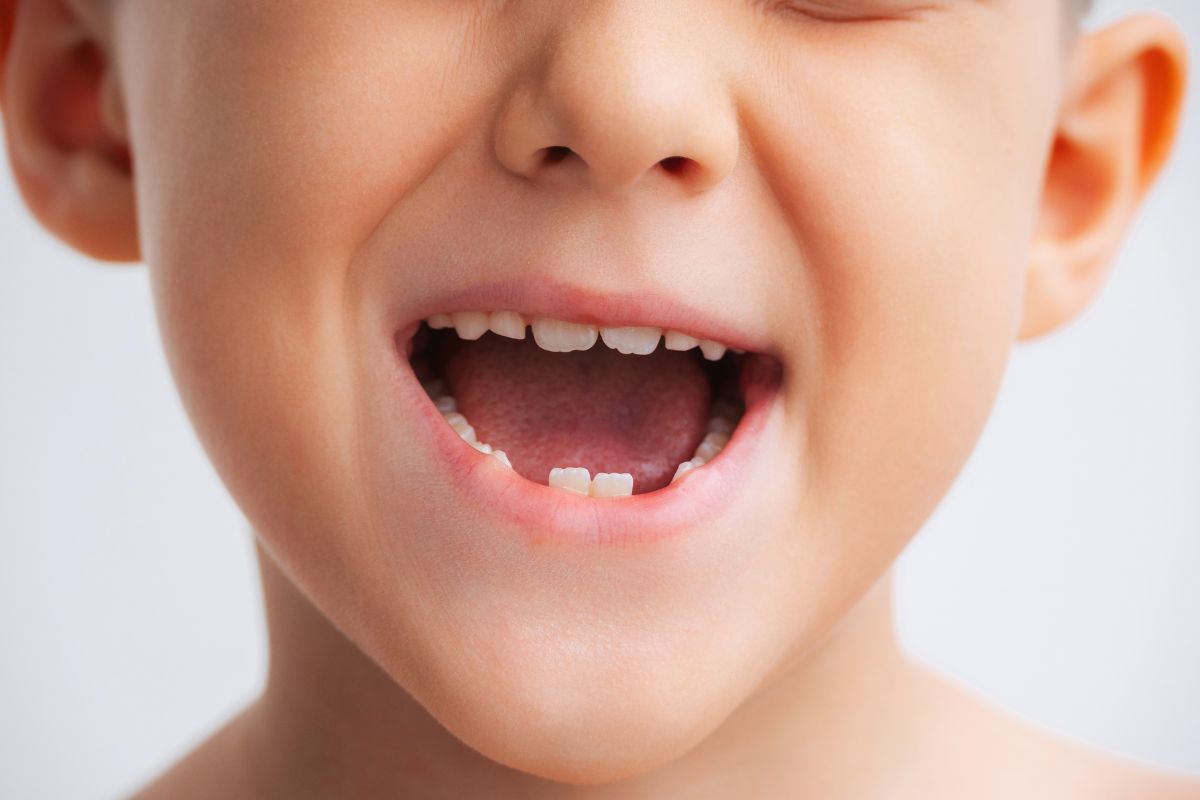
When your child’s first tiny teeth sprout, it feels like a major milestone. You spend time taking pictures, buying soft-bristled toothbrushes, and picking out kid-safe toothpaste. But one morning, while brushing your toddler’s teeth, you notice something subtle: small, chalky white spots near the gumline.
It is easy to assume these spots are just harmless discoloration or leftover milk residue. However, in the world of pediatric dentistry, these chalky marks are often the very first warning sign of early childhood tooth decay.
Catching decay at this specific stage offers a major advantage: it is still reversible without needing invasive procedures or fillings. Recognizing what these spots mean and taking quick action helps protect your child’s bright, healthy smile for years to come.
What Are Those White Spots on Your Baby’s Teeth?
White spots on primary teeth—often called “white spot lesions”—occur when minerals like calcium and phosphate are stripped away from the tooth enamel. Enamel is the hard outer layer that protects teeth from bacteria and acids.
When enamel loses essential minerals, its structure becomes porous and weak. Light reflects off these weakened areas differently than it does off healthy enamel, making them look chalky or dull white.
While parents often worry about dark brown or black cavities, tooth decay actually starts long before dark spots appear. White spots mark the stage known as demineralization. This is the earliest phase of early childhood caries (ECC), commonly referred to as baby bottle tooth decay.
Primary Causes of White Spots on Primary Teeth
Understanding why white spots form makes prevention much easier. Here are the most common reasons young children develop demineralization:
1. Plaque and Acid Accumulation
Every time your child eats or drinks anything other than plain water, naturally occurring mouth bacteria feed on the sugars in that food or drink. As these bacteria feed, they release acid as a byproduct. This acid slowly dissolves the mineral matrix of the tooth enamel. If plaque builds up along the gumline due to missed spots during daily brushing, the acid stays in contact with the enamel longer, causing white spot lesions.
2. Frequent Exposure to Sugars and Milk
Caregivers often associate cavities with candy or soda, but milk, fruit juice, formula, and even breast milk contain natural sugars. When toddlers fall asleep with a bottle, use a sippy cup throughout the day, or nurse continuously through the night, these liquid sugars pool around their front teeth. Bacteria thrive in this environment, generating continuous acid attacks while your child sleeps.
3. Early Enamel Hypoplasia
Sometimes, white spots are not caused by decay, but by enamel hypoplasia. This structural condition occurs while the tooth is still developing under the gums. Factors like birth complications, high fevers during infancy, or nutritional deficiencies can cause enamel to form thin or weak. These spots are present the moment the tooth erupts. While not caused by poor hygiene, teeth with enamel hypoplasia are far more vulnerable to rapid decay.
4. Mild Fluorosis
Fluoride strengthens enamel, but excessive intake while teeth are forming underground can lead to a condition called fluorosis. Mild fluorosis manifests as tiny white flecks or streaks across the enamel. This typically happens when young children swallow fluoridated toothpaste instead of spitting it out. Unlike early decay, fluorosis spots are purely cosmetic and do not weaken the tooth. A qualified pediatric dentist can examine your child’s teeth to distinguish between fluorosis and demineralization.
Why Primary Teeth Deserve Immediate Attention
A common misconception among parents is that primary teeth do not require intensive care because they eventually fall out. In reality, baby teeth play a critical role in your child’s overall health and development.
- Space Preservation: Primary teeth hold exact spaces in the jaw for adult teeth to grow into later. Losing a baby tooth prematurely to decay can cause surrounding teeth to shift into the empty gap, leading to severe crowding and alignment issues.
- Thinner Enamel Layer: Baby teeth have much thinner enamel than adult teeth. Once decay breaks through this outer shell, it spreads rapidly into the inner tooth structure (dentin), quickly causing pain, infection, and deep cavities.
- Speech and Nutrition: Strong, healthy teeth are necessary for clear speech development and proper chewing, ensuring young children get adequate nutrition during growth spurts.
How Pediatric Dentists Treat Early White Spots
Finding white spot lesions on your child’s teeth does not automatically mean they need a dental drill or a filling. Because demineralization happens before a physical cavity forms, the process can often be halted or completely reversed.
When you visit our dental office, a pediatric dentist will carefully evaluate the lesions and create a custom treatment plan:
In-Office Remineralization Therapy
Applying concentrated fluoride varnish directly to the affected teeth helps rebuild weakened enamel. Fluoride binds with calcium and phosphate in your child’s saliva, creating a stronger mineral barrier that resists acid attacks.
Silver Diamine Fluoride (SDF)
If the white spot is transitioning into early decay, SDF offers a fast, non-invasive treatment option. This liquid treatment kills decay-causing bacteria and hardens enamel without requiring numbing shots or drilling.
Microabrasion or Resin Infiltration
For older children with persistent white spots from hypoplasia or prior demineralization, resin infiltration fills the microscopic pores in the enamel with a tooth-colored resin. This stops decay in its tracks and restores a smooth, uniform appearance to the tooth surface.
How to Prevent White Spots and Keep Baby Teeth Healthy
Preventing white spot lesions comes down to consistent oral hygiene habits, smart dietary choices, and regular professional dental care.
Establish a Solid Brushing Routine
- Under Age 3: Brush your child’s teeth twice daily using a soft-bristled toothbrush and a tiny smear of fluoridated toothpaste (about the size of a grain of rice).
- Ages 3 to 6: Increase the toothpaste amount to a pea-sized dot. Encourage your child to spit out the excess foam rather than swallowing it.
- Direct supervision is essential. Children generally lack the hand dexterity to brush thoroughly on their own until they are 7 or 8 years old.
Practice Healthy Feeding Habits
- Avoid putting your child to bed with a bottle or sippy cup containing anything other than plain water.
- Limit between-meal snacking on sticky, refined carbohydrates like crackers, fruit snacks, and chips.
- Offer water after meals and snacks to help rinse away residual food particles and acids.
Schedule First Visits Early
The American Academy of Pediatric Dentistry recommends bringing your child for their initial dental visit as soon as their first tooth appears, or by their first birthday. Early visits allow your dental team to spot enamel changes before they turn into painful issues and guide you on proper home care.
Frequently Asked Questions
1. Can white spots on baby teeth go away on their own?
White spots caused by early demineralization can be reversed through proper remineralization strategies, such as improved brushing with fluoridated toothpaste, dietary changes, and professional fluoride treatments. However, they will not disappear without active care and guidance from a dental professional.
2. Are white spots on teeth painful for toddlers?
No, white spot lesions in their early stages do not cause pain because the enamel layer lacks nerve endings. However, if the mineral loss continues and turns into a full cavity that reaches the underlying dentin, your toddler may experience sensitivity to hot, cold, or sweet items, as well as tooth discomfort.
3. How do I know if a white spot is a cavity or fluorosis?
Demineralized spots usually appear dull, chalky white along the gumline or between teeth where plaque collects. Fluorosis spots typically look like lacy white lines across the biting surfaces and are non-progressive. A pediatric dentist can accurately diagnose the exact cause during a routine clinical exam.
Protect Your Child’s Smile at Oakmont Kids Pediatric Dentistry
Early detection makes all the difference when it comes to keeping your child’s smile healthy and pain-free. If you have noticed chalky white spots on your toddler’s teeth or simply want to set them up for a lifetime of strong oral health, our gentle, compassionate team is here to help.
At Oakmont Kids Pediatric Dentistry, we specialize in gentle, child-focused care tailored specifically to growing smiles. From preventive sealants and fluoride applications to comprehensive first visits, we make every trip to the dentist positive, fun, and stress-free for both you and your child.
Don’t wait for early mineral loss to turn into a full cavity. Book an appointment with Oakmont Kids Pediatric Dentistry today or visit our dental office to give your child the healthy, confident start they deserve!
Related Articles

Unable to locate Global Block : 5776:full