2479 Oakmont Way, Eugene, OR 97401



What to Do If Your Child Knocks Out a Tooth: A Step-by-Step Emergency Guide
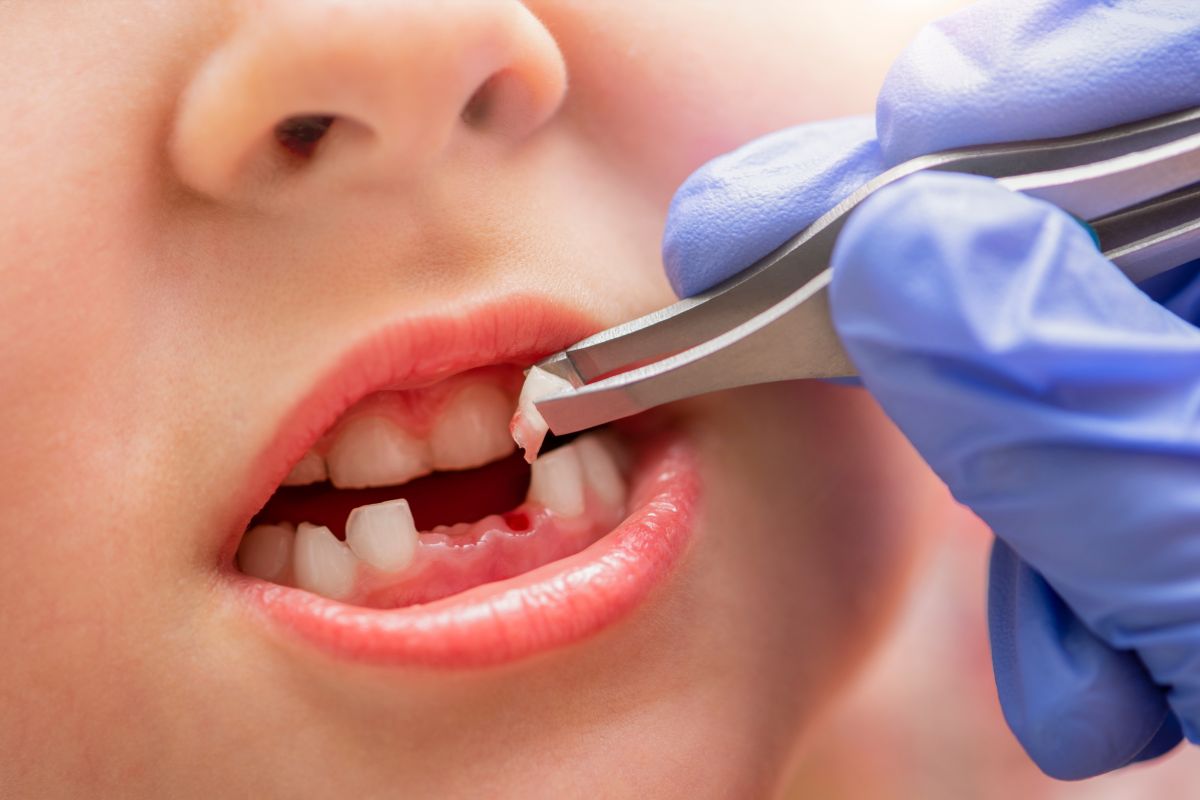
Few moments in parenting are as heart-stopping as hearing a crash from the other room followed by the sudden, panicked cries of your child. When you rush in and realize a tooth has been knocked completely out, fear and confusion naturally take over. Whether it happened during an energetic soccer match at the local park, a tumble off the backyard jungle gym, or an unexpected collision during playtime, a dental emergency requires quick, calm thinking.
As parents, knowing exactly what steps to take in those critical first few minutes can make all the difference between saving a permanent tooth and losing it forever. While dental trauma is frightening, you do not have to navigate it alone. Understanding how to handle the situation prepares you to act swiftly and seek professional care from a trusted pediatric emergency dentist right away.
The Golden Rule: Understand the Difference Between Baby and Permanent Teeth
Before doing anything else, it is vital to determine whether the knocked-out tooth is a primary (baby) tooth or a permanent (adult) tooth. This distinction changes your entire emergency plan:
- Never Replant a Baby Tooth: If your child knocks out a primary tooth (which usually happens between the ages of 6 and 12 for front teeth), do not try to put it back into the socket. Attempting to replant a baby tooth can actually damage the developing permanent tooth growing hidden beneath the gums. Instead, comfort your child, control any bleeding, and call your pediatric dental team.
- Act Fast to Save a Permanent Tooth: If it is an adult tooth, time is of the essence. The best chance for successful reimplantation occurs when the tooth is placed back into its socket within 30 to 60 minutes of the injury.
Step-by-Step Emergency Action Plan for a Knocked-Out Permanent Tooth
If your child has knocked out an adult tooth, stay as calm as possible. Your composure helps soothe your child while you execute these crucial steps:
1. Locate and Handle the Tooth with Extreme Care
Find the tooth immediately. When you pick it up, always hold it by the crown (the white chewing part you see in the mouth), never by the root. The root is covered in delicate periodontal ligament fibers that are essential for the tooth to reattach successfully. Avoid scrubbing, scraping, or wiping away any attached tissue fragments, as this can destroy vital cells.
2. Gently Rinse if Dirty
If the tooth is covered in dirt or debris, rinse it very briefly and gently under cold running tap water for no more than a few seconds. Do not use soap, chemicals, or a toothbrush, and never wrap the tooth in a tissue or cloth, which can damage the root surface.
3. Reinsert the Tooth Immediately (If Possible)
If your child is cooperative and old enough not to swallow it, try to gently push the tooth back into its socket. Line it up correctly with the neighboring teeth and push it in gently until it is level with the others. Have your child bite down gently on a clean piece of gauze or a soft cloth to hold it in place while you travel.
4. Store It Safely if Reinsertion Fails
If putting the tooth back into the socket isn’t an option—perhaps because your child is too panicked or young—you must keep the tooth moist to preserve the root cells.
- Best medium: Submerge the tooth in a small container of cold milk.
- Alternative: If milk isn’t available, your child can gently hold the tooth inside their cheek (saliva is a good temporary preservative, provided there is no risk of them swallowing it).
- What to avoid: Never store a tooth in plain tap water, as water cells can cause the delicate root cells to burst.
5. Control Bleeding and Manage Pain
To help manage swelling and discomfort, place a clean cold compress or an ice pack wrapped in a washcloth against your child’s cheek near the injured area. Have them bite down on clean gauze to slow any bleeding from the empty socket. If necessary, you can administer a child-appropriate dose of pain relief, but avoid placing aspirin directly against the gum tissue, as it can cause chemical burns.
6. Seek Professional Help Immediately
Time is your greatest ally during dental trauma. Once you have stabilized your child and secured the tooth, reach out to professionals who specialize in children’s oral health. Call our office right away to visit our dental office for emergency evaluation and treatment.
What to Expect When You Arrive at the Pediatric Dental Office
Arriving at a specialized pediatric dental clinic can instantly lower your family’s stress levels. Pediatric dental offices are uniquely designed to handle emergencies with compassion, patience, and child-friendly technology.
When you book an appointment for an urgent dental trauma visit, our clinical team prioritizes your child’s comfort and safety above all else. Here is what typically happens during an emergency visit:
- Gentle Evaluation: The dentist will thoroughly examine the injured site, check adjacent teeth for hidden fractures or looseness, and take digital X-rays to assess the underlying bone and jaw structure.
- Replantation and Splinting: If an adult tooth was successfully replanted or brought in fresh in milk, the dentist may stabilize it using a flexible wire splint attached to neighboring teeth, allowing the periodontal ligament to heal.
- Pain Management and Antibiotics: The dentist will ensure your child is comfortable, clean the wound properly, and prescribe any necessary medications to prevent infection.
- Follow-Up Care Plan: Traumatized teeth require careful, long-term monitoring. Your pediatric dentist will outline a schedule for follow-up visits to check nerve vitality and ensure healthy development.
Preventing Dental Injuries: Tips for Active Kids
While accidents are an inevitable part of growing up, adventurous play, and childhood exploration, you can take proactive steps to minimize the risk of severe dental trauma:
- Invest in a Custom Mouthguard: If your child participates in contact sports like football, basketball, hockey, or martial arts—or even recreational activities like skateboarding and cycling—a properly fitted mouthguard is essential. Custom-fitted guards from your pediatric dentist offer far superior protection and comfort compared to generic store-bought options.
- Childproof the Home: For toddlers who are still mastering balance, keep floors clear of tripping hazards, secure sharp furniture corners, and supervise active indoor play.
- Reinforce Good Habits: Remind children not to use their teeth as tools to open packaging, chew on hard objects like pencils, or crunch on ice cubes, which can weaken enamel and lead to unexpected fractures.
Frequently Asked Questions
1. What should I do if my child knocks out a baby tooth instead of an adult tooth?
Do not try to put a knocked-out baby tooth back into the socket, as doing so can harm the permanent tooth developing underneath. Control any bleeding with clean gauze and a cold compress, keep your child comfortable with soft foods, and call our team for guidance.
2. How long do I have to save a knocked-out permanent tooth?
The highest success rate for saving a knocked-out permanent tooth occurs within the first 30 to 60 minutes after the injury. Quick action and proper storage (in milk or back in the socket) are critical.
3. Is a knocked-out tooth always an emergency?
Yes. If it is a permanent tooth, it is a true dental emergency requiring immediate professional intervention. Even with primary teeth, you should contact a pediatric dentist promptly to rule out bone fractures, soft tissue damage, or injury to adjacent teeth.
4. Can a knocked-out permanent tooth always be saved?
Not always. Success depends heavily on how quickly the tooth is treated, how it was handled (holding it by the crown rather than the root), and how well-preserved the root cells were during transit. Early evaluation gives your child the best possible prognosis.
Secure Your Child’s Smile Today
Facing a dental emergency can feel overwhelming, but having a trusted pediatric dental home makes all the difference. At Oakmont Kids Pediatric Dentistry, we provide compassionate, expert emergency care tailored specifically to children in a warm, welcoming environment.
Do not wait when your child needs expert care the most. If your child is experiencing dental trauma or you want to be prepared with a customized mouthguard, book an appointment with us today or visit our dental office to experience specialized children’s dentistry you can trust.
Related Articles
Unable to locate Global Block : 5776:full