2479 Oakmont Way, Eugene, OR 97401



What to Do When Your Child Knocks Out a Permanent or Baby Tooth
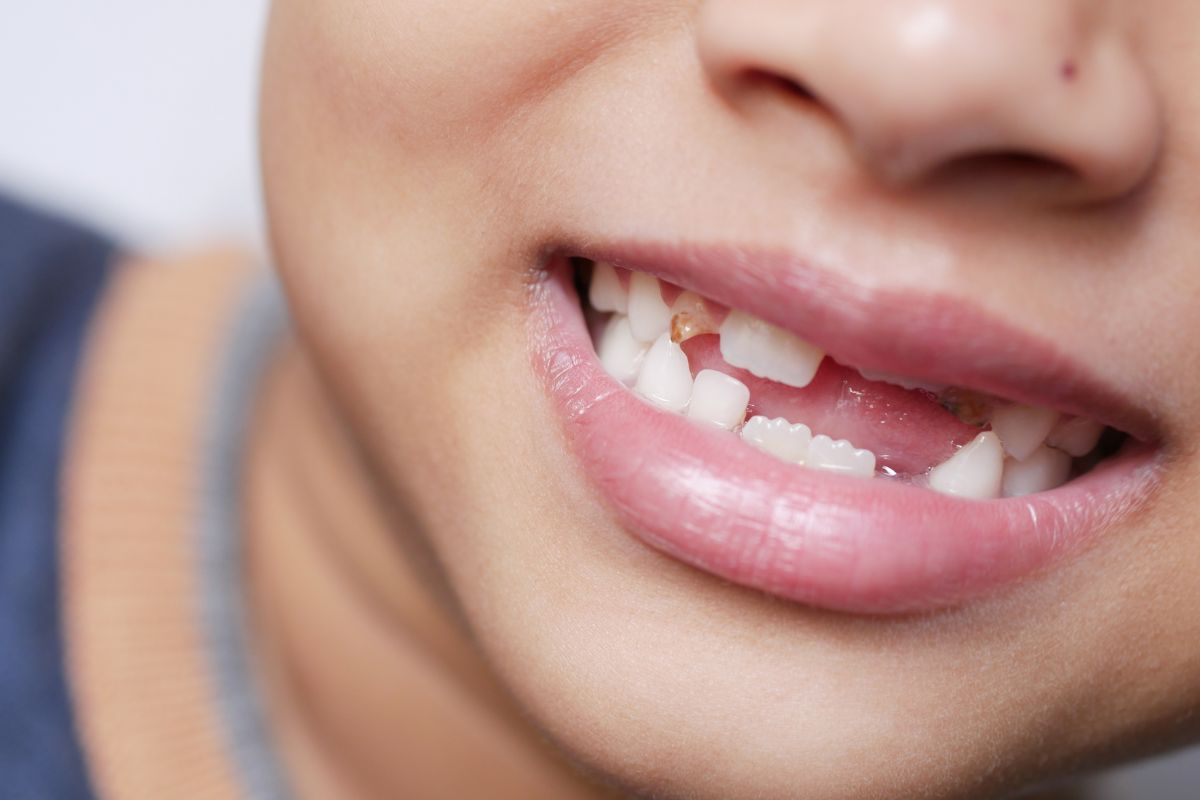
When your child takes a sudden tumble on the playground or a sports field and loses a tooth, panic is often the first reaction. Whether it is a pearly white baby tooth or a newly erupted permanent adult tooth, knowing the exact steps to take in those first few critical minutes can make all the difference between saving a smile and long-term dental complications.
As parents, handling dental emergencies calmly reassures your little one while protecting their oral health. Here is your comprehensive, expert guide on how to respond when your child knocks out a tooth, complete with practical tips, expert guidance, and what to expect when you reach out to a trusted pediatric dentist.
The Panic-Free First Steps: Assess and Stay Calm
When an accident happens, your child will likely be scared, crying, and bleeding. Your immediate priority is to stay calm, soothe them, and assess the situation safely.
- Check for Other Injuries: Before looking at the mouth, ensure your child has not suffered a concussion, head injury, or severe trauma. If they are dizzy, confused, or lost consciousness, seek emergency medical care immediately.
- Control the Bleeding: Have your child bite down gently on a clean piece of gauze, a folded washcloth, or a clean cloth for 10 minutes to help stop the bleeding.
- Locate the Tooth: Find the knocked-out tooth right away. Handle it only by the crown (the white chewing part)—never touch the root. Touching the delicate root can damage the living cells needed for successful re-implantation.
Permanent Tooth vs. Baby Tooth: Knowing the Difference
Not all knocked-out teeth are treated the same way. The protocols for baby teeth and permanent teeth are vastly different.
1. What to Do If It Is a Permanent (Adult) Tooth
If your child is around 6 years old or older, the tooth they lost might be a permanent adult tooth. This is a dental emergency requiring immediate action. Every minute counts.
- Re-implantation (If Possible): If the tooth is clean and your child is cooperative, try to gently place it back into its socket immediately. Have them bite down gently on a clean gauze or cloth to hold it in place.
- Keep It Moist: If you cannot put the tooth back into its socket, do not let it dry out. Never store a knocked-out tooth in a tissue or napkin. Instead, place it in a small container of cold milk, saline solution, or have the child gently hold it inside their cheek (if they are old enough not to swallow it).
- Call Immediately: Contact a pediatric dentist right away. Permanent teeth have the highest chance of survival if re-implanted within 30 to 60 minutes of the accident.
Important Warning: Never scrub a knocked-out tooth, use soap, or dry it with a towel. If the tooth is dirty, rinse it gently with cold water or milk for no more than a few seconds.
2. What to Do If It Is a Baby (Primary) Tooth
If your child is younger (between ages 1 and 6), the tooth that came out is likely a primary baby tooth.
- Do NOT Re-implant It: Unlike permanent teeth, never attempt to put a knocked-out baby tooth back into the socket. Forcing a primary tooth back in can damage the underlying permanent adult tooth developing inside the jawbone.
- Focus on Comfort: Manage the bleeding with gauze and offer your child a cold compress or an ice pop to reduce swelling and soothe any discomfort.
- Schedule a Visit: Even though baby teeth are temporary, it is still crucial to visit our dental office for an evaluation. A pediatric dentist will check for bone fragments, ensure the gums are healing properly, and rule out any hidden damage to neighboring teeth or developing permanent buds.
Common Myths About Knocked-Out Teeth
Misinformation can lead to irreversible mistakes during a dental emergency. Let’s clear up a few common myths:
- Myth: You can scrub a dirty tooth clean with a toothbrush and antibacterial soap. Fact: Scrubbing removes the vital periodontal ligament fibers attached to the root, which are necessary for the tooth to re-anchor successfully. Always handle gently and rinse with milk or water only.
- Myth: Lost baby teeth don’t matter because they fall out anyway. Fact: While baby teeth are temporary, they serve as natural space-holders for permanent teeth. Premature loss due to trauma can cause neighboring teeth to drift, leading to crowding or alignment issues later in life. Specialized pediatric dental care helps guide your child’s growing smile.
Preventing Dental Trauma Before It Happens
While accidents are an unpredictable part of childhood, you can significantly lower the risk of dental trauma with a few proactive habits:
- Custom Athletic Mouthguards: If your child participates in contact sports like soccer, basketball, football, or martial arts, invest in a custom-fitted mouthguard. They provide superior protection compared to over-the-counter boil-and-bite alternatives.
- Childproof Your Home: For toddlers who are learning to walk and run, soften sharp table corners and secure loose rugs to minimize slips and falls.
- Routine Check-ups: Regular dental visits allow your dental care team to monitor structural health, tooth development, and bite alignment, catching any vulnerability early.
Schedule Your Visit Today
Dental emergencies can be stressful, but you don’t have to navigate them alone. Whether your child has experienced a sudden dental injury or it is simply time for their routine check-up, our compassionate team is here to provide gentle, specialized care tailored to growing smiles.
If you need expert guidance, reassurance, or treatment for an urgent dental concern, we invite you to book an appointment with Oakmont Kids today. Let us help your child maintain a healthy, confident, and beautiful smile for years to come!
Frequently Asked Questions
1. What should I do if my child swallows the knocked-out tooth?
If your child accidentally swallows the tooth, do not panic. Call your pediatric dentist or pediatrician right away. They will take an X-ray to ensure the tooth has safely passed into the digestive tract rather than the airway, and they will monitor your child to make sure there are no complications.
2. Can a knocked-out permanent tooth always be saved?
Not always, but quick action drastically improves the odds. Success depends heavily on how quickly the tooth is re-implanted (ideally within an hour), how it was stored, and the overall health of the tooth root.
3. How do I know if my child needs stitches after losing a tooth?
If your child experienced a hard blow that caused significant tearing of the gums, lips, or inner cheeks, along with heavy bleeding that does not slow down after 15 minutes of firm pressure, they may need stitches. Our team can evaluate soft-tissue injuries during your emergency visit.
Related Articles


Unable to locate Global Block : 5776:full