2479 Oakmont Way, Eugene, OR 97401


The Ultimate Guide to Your Child’s Early Dental Health
As parents, we track every major milestone in our children’s lives: their first smile, their first tentative steps, and that exciting first day of school. But what about their very first tooth?
Navigating the world of early childhood oral health can feel a bit overwhelming. From figuring out when to start brushing to managing the inevitable wobbles and aches years down the road, you want to make sure you are doing everything right for your little one’s growing smile.
Establishing healthy dental habits early does much more than just prevent cavities; it sets the stage for a lifetime of confidence, comfort, and total-body wellness. Whether you are wiping down a baby’s first tooth or preparing a spunky kindergartener for their checkup, this comprehensive guide will walk you through everything you need to know about your child’s early dental journey.
Why Early Dental Health Matters More Than You Think
A common misconception among parents is that baby teeth (primary teeth) don’t require heavy maintenance because they will eventually fall out anyway. In reality, primary teeth are foundational.
Baby teeth do some heavy lifting:
- Nutrition and Digestion: They allow children to chew a wide variety of nutritious foods comfortably.
- Speech Development: Clear pronunciation and language skills rely heavily on the proper positioning of teeth and gums.
- Space Maintenance: Primary teeth act as natural placeholders for permanent adult teeth, guiding them into their correct positions.
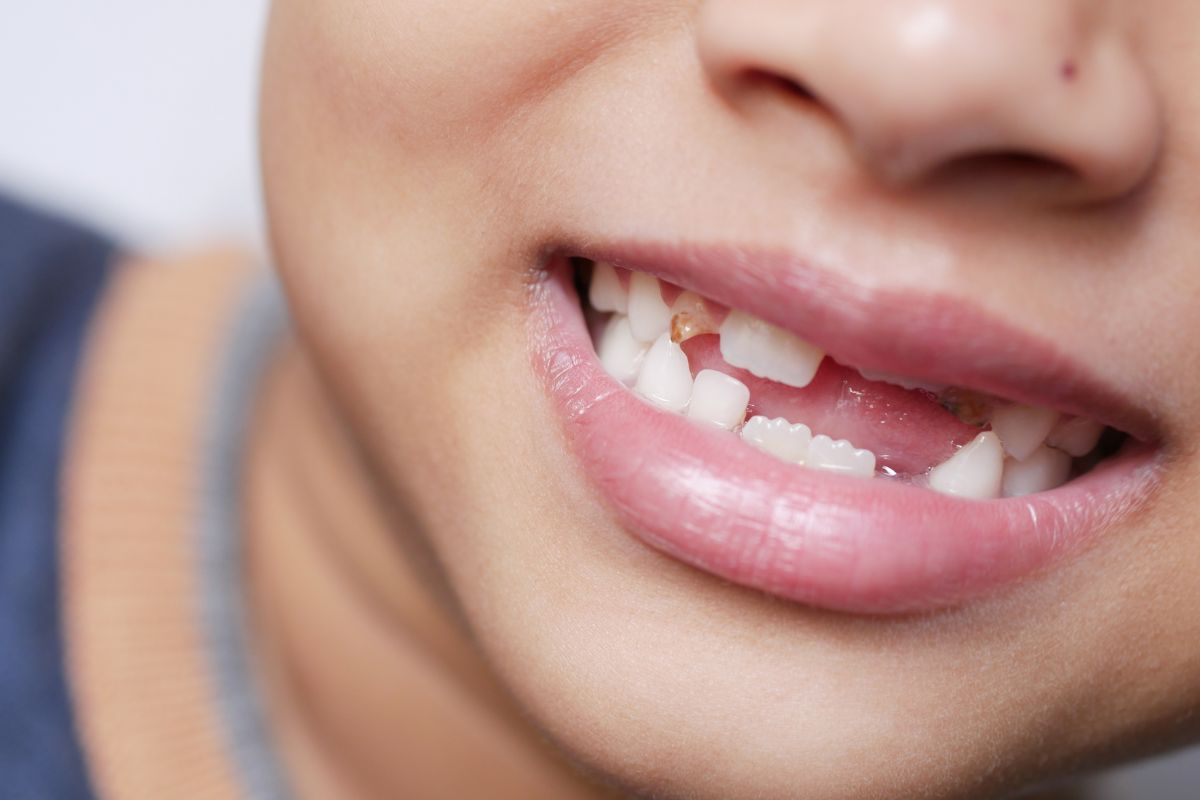
When a baby tooth is lost prematurely due to decay, neighboring teeth can drift into the empty space, crowding out the permanent teeth and potentially leading to complex orthodontic treatments later in life. Protecting those tiny teeth is an investment in your child’s future.
Milestones in Early Dental Development
Every child develops at their own unique pace, but typical milestones can help you track whether your kiddo is on the right path:
1. The Teething Phase (Around 6 Months)
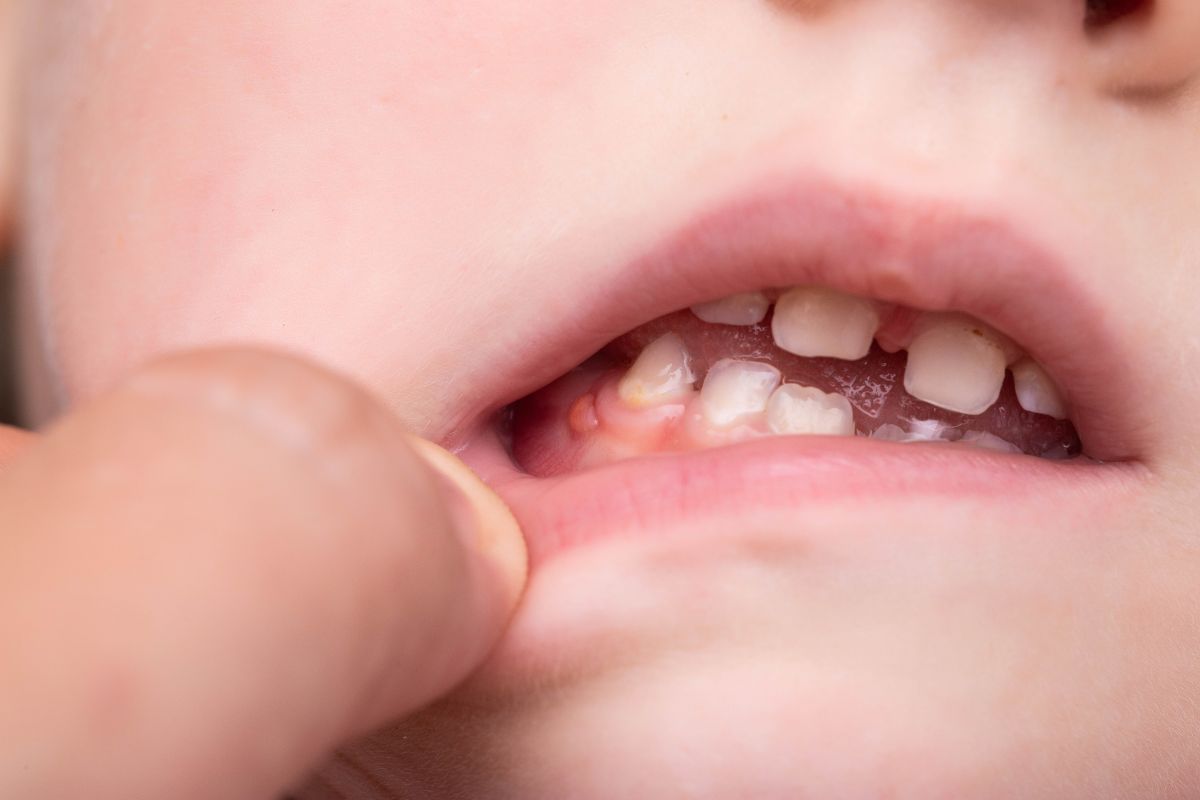
The first tooth, usually a lower central incisor, typically erupts around six months of age. Teething can bring a bit of extra fussiness, drooling, and a strong urge to chew. Providing a clean, chilled teething ring (never frozen solid) can offer your baby gentle relief.
2. The First Dental Visit (By Age 1)
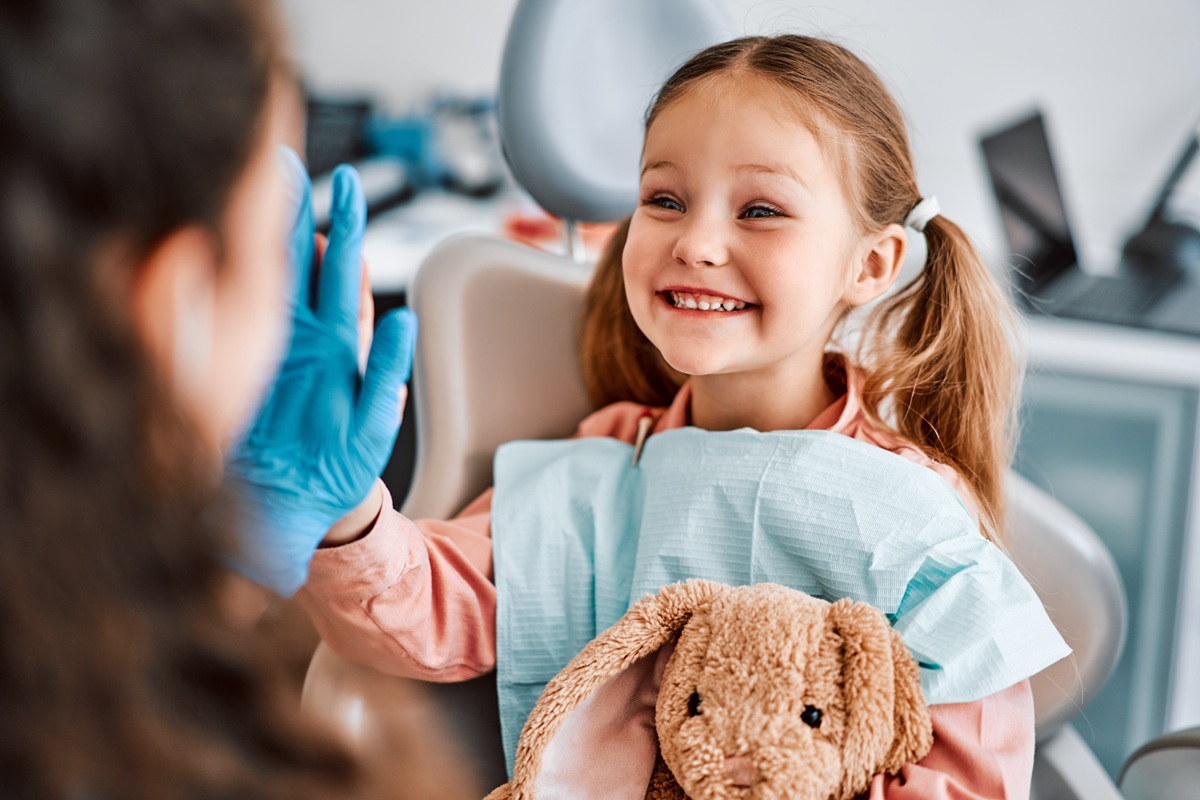
According to the American Academy of Pediatrics (AAP) and the American Academy of Pediatric Dentistry (AAPD), a child should see a pediatric dentist by their first birthday or within six months after their first tooth appears. Think of this initial visit as a low-stress “happy visit”. It allows the dentist to check development, give you tailored brushing tips, and help your child get comfortable with the dental environment early on.
3. The Toddler and Preschool Years (Ages 2–5)
By age three, most children have a full set of 20 primary teeth. This is the stage where independent habits start forming. While kids will want to grab the toothbrush themselves, they still lack the fine motor skills to brush effectively. Parents should supervise and assist with brushing until at least age seven or eight.
Daily Oral Hygiene Routine by Age Group
Creating a predictable routine at home makes a world of difference. Here is how to adapt oral care as your child grows:
- Infants (Before Teeth Erupt): Even before teeth show up, wipe your baby’s gums twice a day with a soft, damp washcloth or a silicone finger brush. This clears away bacteria and gets them used to mouth care.
- Ages 1 to 2: As soon as the first tooth pops through, start brushing twice a day using a soft-bristled infant toothbrush and a tiny smear of fluoride toothpaste (about the size of a grain of rice).
- Ages 3 to 6: Once your child reaches age three, you can upgrade to a pea-sized amount of fluoride toothpaste. Teach them to spit out excess toothpaste after brushing, but remind them not to rinse right away so the protective fluoride can linger on the teeth.
Partnering with a Specialist: What is Pediatric Dentistry?
While family dentists do wonderful work, pediatric dentistry is a distinct medical specialty dedicated exclusively to the oral health of infants, children, adolescents, and patients with special healthcare needs.
Pediatric dental specialists undergo an additional two to three years of rigorous training beyond dental school. Their curriculum focuses heavily on child psychology, growth and development, behavior guidance techniques, and managing childhood dental trauma.
A specialized office environment is designed specifically to lower anxiety. From vibrant, welcoming waiting rooms to kid-friendly explanations and gentle communication styles, a specialized pediatric team knows how to turn a potentially scary medical appointment into a fun adventure. If you want your child to actually look forward to their dental checkups, finding a dedicated practice makes all the difference.
Making Dental Care Fun at Home
Getting kids excited about brushing doesn’t have to feel like pulling teeth. Try incorporating these playful strategies into your daily routine:
- Brush Together: Children love mimicking their parents. Brush your teeth right alongside them to model great habits.
- Turn on a Tune: Play a fun two-minute song or a specialized brushing timer app to ensure they brush for the recommended duration.
- Read Books About the Dentist: Storybooks featuring favorite characters visiting the dentist can demystify the experience before their actual appointment.
- Use Positive Reinforcement: Sticker charts work wonders for celebrating consistent brushing routines.
Give Your Child a Healthy Smile for Life
Navigating your child’s oral health milestones is much easier when you have a compassionate, expert team in your corner. If you are ready to set your child up for a lifetime of healthy, confident smiles, we would love to welcome your family.
To get started, we invite you to visit our dental office and experience a warm, child-friendly environment built entirely around your little one’s comfort. Don’t wait for a dental issue to arise; proactive care builds trust and prevents problems.
Book an appointment with Oakmont Kids today, and let’s keep those little smiles bright, healthy, and growing strong!
Frequently Asked Questions
1. When should my child start using toothpaste with fluoride?
You can start using a rice-sized smear of fluoride toothpaste as soon as their very first tooth emerges. For children aged three to six, increase that amount to a pea-sized dollop. Fluoride is completely safe and vital for strengthening enamel and preventing early childhood cavities when used in the correct amounts.
2. Are cavities in baby teeth really that important to treat?
Yes. Untreated decay in baby teeth can lead to severe pain, local infections, and costly dental procedures. Because primary teeth hold space for permanent adult teeth, keeping them healthy and intact is crucial for proper jaw development and alignment.
3. What should I do if my child has a dental emergency?
If your child chips a tooth, knocks out a baby tooth prematurely, or experiences a severe toothache, stay calm and call a professional immediately. Quick action can save a tooth and minimize pain. Many offices accommodate urgent situations so you never have to wait in uncertainty.
4. How can I help my anxious child feel comfortable at the dentist?
Choose a dental office tailored to children where the team specializes in behavioral guidance. Talk about the upcoming visit in a positive, upbeat light, avoiding words like “hurt,” “pain,” or “shots.” Let them know the dentist is simply there to count and polish their shiny teeth!
Related Articles

Unable to locate Global Block : 5776:full